What to Look for in a Professional Screen Printing Services Provider
@myscreenprintingservicessite
October 28, 2026 · 8 min read
When you need custom apparel for your business, team, or event, the quality of the print matters. A shirt with a logo that cracks after a few washes or a design that looks dull from the start does not represent your brand well. That is why choosing the right screen printing services provider is one of the most important decisions you will make for your custom apparel project. I have been in the garment industry for over a decade, and I have seen the difference that skill, equipment, and attention to detail can make.
The screen printing process itself is straightforward in concept: ink is pushed through a mesh screen onto fabric. But the difference between a mediocre print and a great one comes down to dozens of small decisions. The mesh count of the screen, the type of ink, the curing temperature, the number of colors, and the quality of the artwork separation all play a role. A professional shop will know how to balance these variables for your specific design and garment. That is the kind of expertise you want backing your order.
Understanding the Basics of Screen Printing
Screen printing has been around for decades, and it remains the go-to method for high-volume custom apparel because it produces vibrant, durable results. Unlike digital printing, which applies ink in a thin layer, screen printing deposits a thicker layer of ink that bonds with the fabric fibers. This gives you richer colors and a print that can last as long as the garment itself, provided it is cured correctly.
One thing I always tell people new to custom apparel is that screen printing shines when you need a large run of the same design. The setup cost is higher because each color requires its own screen and alignment, but the per-unit cost drops dramatically as the quantity increases. For runs of 24 pieces or more, screen printing is usually the most cost-effective option. For smaller quantities, you might consider heat transfer or direct-to-garment printing, but for durability and color opacity, screen printing remains the king.
Key Factors in Choosing a Screen Printing Partner
Not all screen printing services are created equal. Here are the factors I have found most important when vetting a shop.
Artwork Preparation and Separation
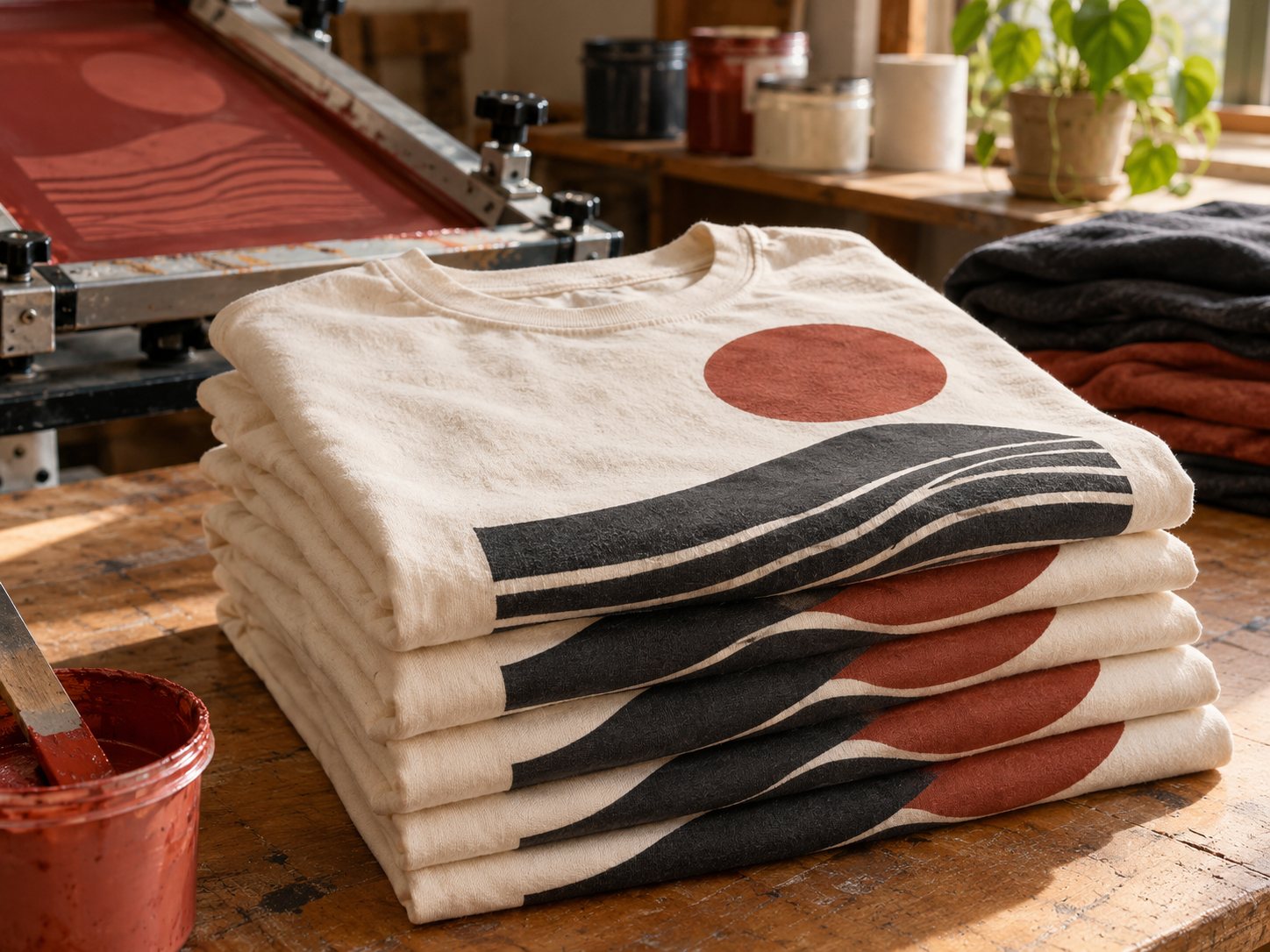
The first step in any screen printing job is taking your logo or design and converting it into a format suitable for screens. This process is called color separation. A good printer will look at your artwork and determine how many colors are actually needed. They will also check for fine details like small text or thin lines that might not print cleanly. I have seen shops that just take a JPEG and try to print it, resulting in blurry edges and muddy colors. A professional will use vector files when possible and create separate films for each ink color.
Ink and Garment Quality
Plastisol ink is the standard for most screen printing because it cures at a lower temperature and produces bright colors. Water-based ink is an option for a softer hand feel, especially on light-colored garments. The printer should be able to explain the trade-offs. For example, water-based ink soaks into the fabric more, so it feels softer but may not be as opaque on dark shirts. Plastisol sits on top of the fabric, giving a bolder look but a slightly thicker feel. Your choice depends on the look you want and the garment you are printing on.
The garment itself matters just as much. A screen printing services provider should offer a range of brands and styles, from budget-friendly options to premium ringspun cotton or blends. I always recommend ordering a sample of the blank garment before committing to a large order. The feel of the fabric against the skin and how it holds up after washing can make or break the final product.
Production Capacity and Turnaround
Lead times vary widely. A small shop might take two to three weeks for a standard order, while a larger operation can turn it around in a week. If you need something for a specific event, make sure the printer has the capacity to meet your deadline. Ask about their current workload and whether they run multiple shifts. A reliable printer will give you a realistic timeline and stick to it. I have worked with shops that overpromise and then rush the job, leading to misprints and delays. It is better to have an honest timeline than a broken promise.
Communication and Customer Service
This might sound obvious, but the best screen printing services come from shops that treat you like a partner, not just an order number. They should be willing to answer questions, provide samples, and offer suggestions to improve your design for print. A good printer will tell you if your design has issues, like colors that will not separate cleanly or areas that are too small to hold ink. They should also provide a proof before production so you can approve the layout and colors. If a shop brushes off your questions or rushes the proof stage, that is a red flag.
The Setup and Approval Process
Once you have chosen a provider, the next step is the setup. The printer will burn your artwork onto screens, align them on the press, and run a test print. They should send you a photo of the test print or a physical sample for approval. This is your chance to catch any issues with color placement, alignment, or overall look. I always recommend checking the test print under good lighting and comparing it to your original artwork. Colors can look different on a screen versus on fabric, so trust your eyes.
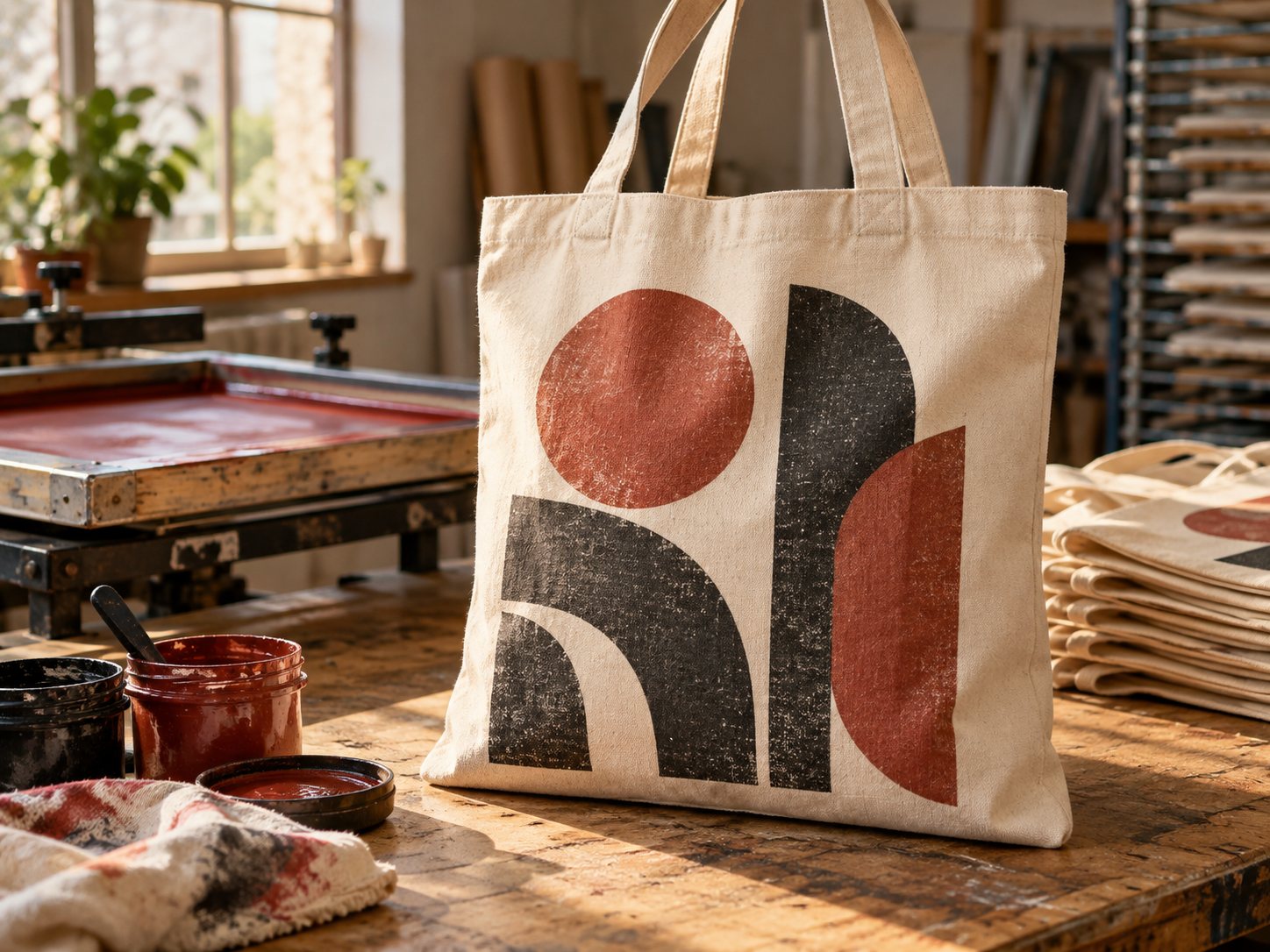
After you approve the test, the full run begins. The printer will lay down each color one at a time, curing the ink between layers if needed. For multi-color designs, registration is critical. That means each color lines up perfectly with the others. A skilled operator will check registration throughout the run and make adjustments as the press heats up and the screens shift slightly. This is where experience pays off. A new operator might let the registration drift, resulting in a blurred image. A pro catches it early and keeps every shirt looking the same.
Common Pitfalls and How to Avoid Them
I have seen many customers make the same mistakes. One is providing low-resolution artwork. A logo saved from a website at 72 DPI will look terrible when printed at full size. Always provide a vector file or a high-resolution PNG or TIFF. Another mistake is choosing a garment that is too dark for the design. If you want a bright logo on a black shirt, the printer will need to lay down a white underbase, which adds cost and can affect the feel of the print. Sometimes switching to a lighter garment simplifies the job and lowers the price.
Ordering too few pieces is another common issue. As I mentioned, screen printing has a high setup cost. The per-unit price for 12 shirts might be double the price for 48 shirts. If you are not sure about the quantity, it is often better to order a few extra shirts than to run out and pay for a second setup. Many shops offer discounted rates for reorders if you keep the same design and garment, so ask about that before you place your first order.
Finally, do not overlook the curing process. If the ink is not heated to the correct temperature, it will not bond with the fabric. A properly cured print can withstand dozens of washes without fading or cracking. A poorly cured print might look fine when you receive it, but after the first wash, the ink starts to peel. A reputable screen printing services provider will use a conveyor dryer with a temperature probe to ensure every shirt hits the correct cure temperature. That is a detail you want to ask about.
Why Experience and Location Matter
Screen printing is part art, part science. The best results come from a shop that has been doing it for years and has invested in good equipment. A shop with automatic presses, a proper dryer, and a dedicated art department will produce more consistent results than a garage operation with a single manual press. That is not to say small shops cannot do great work, but you need to vet them carefully. Look at their portfolio, ask for references, and if possible, visit the shop to see the operation firsthand.
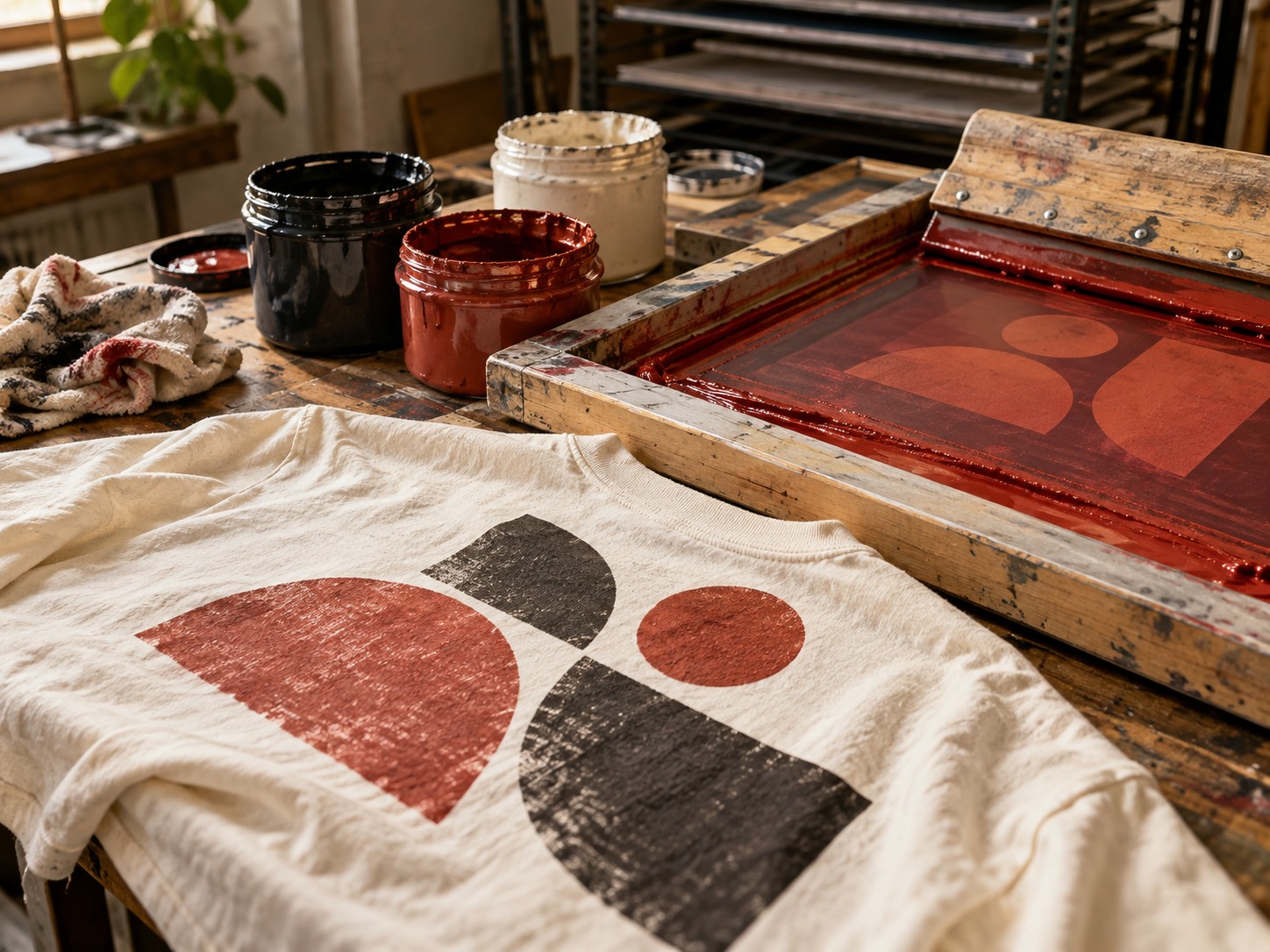
If you are located in or around Southern California, you have access to many custom apparel providers. One local business that has built a reputation for reliable work is DSP Printing. Located at 11611 Salinaz Dr Ste O, Garden Grove, CA 92843, USA, they offer custom screen printing and embroidered apparel services for businesses and organizations. You can reach them at +1 714-951-4919. They focus on delivering quality prints with clear communication, which is exactly what you want in a partner.
Connect with us on Instagram.
Choosing the right screen printing services provider is an investment in your brand. Take the time to ask the right questions, review samples, and understand the process. The result will be apparel that you and your team are proud to wear.